IPM Take
This pilot exposes the next bottleneck in lung cancer screening. If screening finds more small nodules, the system must be able to diagnose them quickly, safely and consistently. AI can help flag which nodules look suspicious. Robotic bronchoscopy can help reach nodules that are difficult to biopsy. But the policy test is whether this becomes a scalable diagnostic pathway, not a high-tech exception in a few centres.
Executive Summary
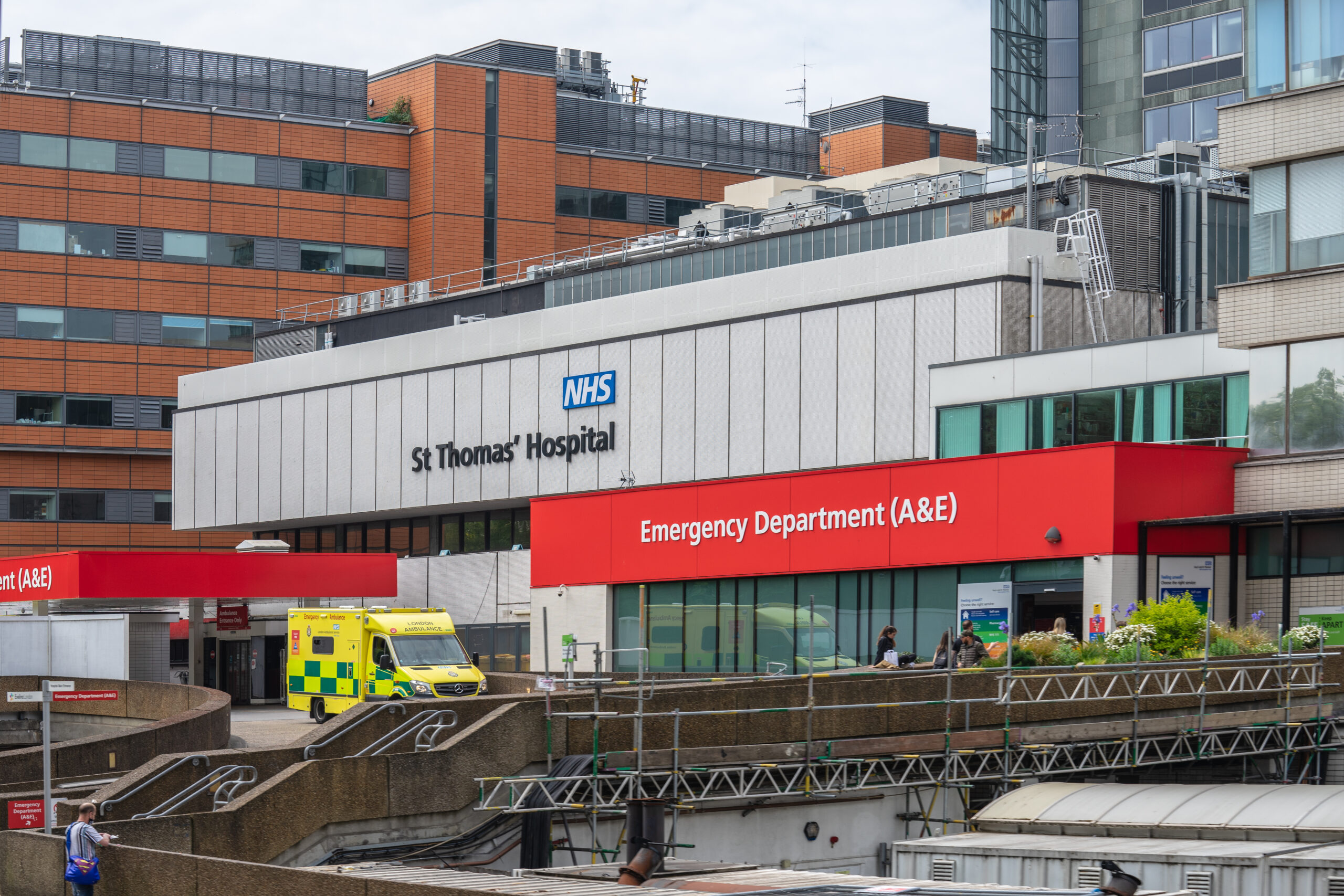
On 27 January 2026, NHS England announced a pilot at Guy’s and St Thomas’ NHS Foundation Trust using AI software to analyse lung scans and robotic bronchoscopy to biopsy hard-to-reach lung nodules. The pilot sits alongside plans to expand lung cancer screening so that every eligible person is invited for checks in under five years. NHS England says the robot can reach nodules as small as 6 mm, around 300 robotic biopsy procedures had already been carried out, and 215 people went on to receive cancer treatment. If successful, the pilot could support evidence for a national commissioning policy for robotic bronchoscopy.
Why it matters
- Hospitals / providers: Need to prepare diagnostic capacity as lung screening expands, otherwise earlier detection may create longer queues for confirmation.
- Diagnostics / pathology: Should watch whether AI risk stratification and robotic bronchoscopy can be integrated into a reliable end-to-end lung diagnostic pathway.
- Patients / advocates: Need evidence that the pilot reduces waiting, repeat scans and invasive procedures across regions, not only in highly equipped centres.
Before this pilot, lung cancer screening mainly raised a detection question: can systems find cancer earlier in high-risk people? The new problem is diagnostic capacity. Screening can identify very small nodules, but patients still need timely confirmation before treatment can begin.
What has changed is the attempt to connect AI risk stratification with robotic biopsy in one diagnostic pathway. NHS England says AI software can flag small lumps most likely to be cancerous, after which a robotic camera can guide biopsy tools through the airways with greater precision than standard techniques. The robot can reach nodules as small as 6 mm, while tissue samples are reviewed by specialist laboratories and cancer teams.
The relevant population is not all cancer patients, but people facing suspected lung cancer, especially as lung screening expands. NHS England says more than 1.5 million people have attended a lung health check since 2021, increasing the need for safe and precise biopsy techniques.
The implementation question is direct: if this pilot works, can it support national commissioning and reduce variation in access to advanced lung diagnostics? The Royal College of Radiologists welcomed the pilot, but warned that expanded screening must be matched by investment in the radiology workforce so that more scans do not simply add to diagnostic delays.
