
IPM Take
The important signal is not simply that China has Alzheimer’s blood tests. It is that diagnostics companies are starting to build an access market around earlier, easier dementia assessment. That could reduce reliance on PET scans or cerebrospinal fluid testing, but it also creates a policy problem: who gets tested, who pays, how results are confirmed and whether diagnosis connects to treatment, counselling or care planning.
Executive Summary
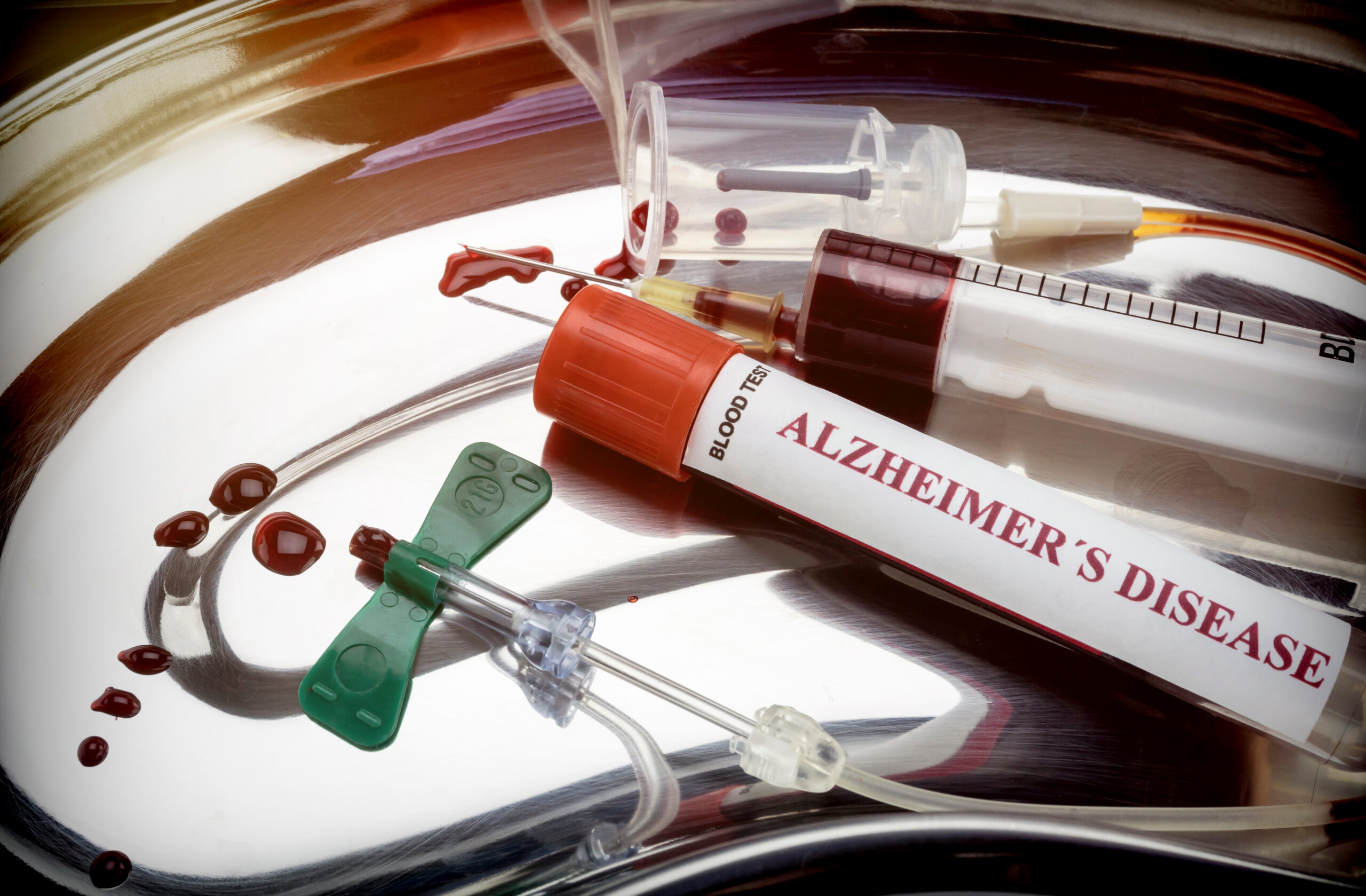
Reuters reported on 14 January 2026 that BGI Genomics and Roche Diagnostics had rolled out blood-based Alzheimer’s tests in China. BGI said doctors were using its test in Guangzhou, Qingdao, Shenzhen and Wuhan as an auxiliary tool to assess disease progression and risk of onset. Roche said its China team was working with a local regulatory authority to make its pTau181 test available in Boao, Hainan province, where the test had reportedly entered clinical use at a hospital. Both companies positioned blood testing as a less invasive and more accessible support tool than PET scans or cerebrospinal fluid testing, but not as standalone diagnosis.
Why it matters
- Diagnostics / pathology: Need clear standards for test use, result interpretation and confirmatory pathways, especially when tests enter care through different local routes.
- Clinicians: Must avoid treating blood biomarkers as standalone diagnosis and define when patients should move to PET, CSF testing, specialist referral or care planning.
- Patients / advocates: Should watch whether easier testing improves access to timely diagnosis or creates a larger pool of uncertain results without support.
Previously, Alzheimer’s diagnostic confirmation often relied on specialist pathways, including PET imaging or cerebrospinal fluid testing. These routes can be expensive, invasive or unevenly available, creating delays before patients receive a clear diagnostic pathway.
What is changing in China is the early movement of blood-based Alzheimer’s biomarkers into clinical use and market deployment. BGI is using its blood test as an auxiliary tool in several Chinese cities, while Roche is working to make its pTau181 test available in Boao, Hainan. Roche’s pTau181 test is designed to help rule out Alzheimer’s-associated amyloid pathology and guide further clinical investigation, not to replace full clinical assessment.
The eligible population is not the general public. These tests are relevant for people with suspected cognitive decline, diagnostic uncertainty or need for further assessment.
The implementation question is whether easier blood testing creates a better pathway or just a larger funnel of unclear results. For IPM, the next step is not only test availability. It is defining confirmatory testing, counselling, referral, reimbursement and access to treatment or care support after a biomarker result.
