IPM Take
This is precision medicine at its most time-sensitive. SMA treatment works best when babies are identified before symptoms, which means the access pathway has to start at newborn screening, not after diagnostic delay. Scotland’s evaluation is therefore more than a screening pilot. It tests whether rare disease systems can move from family advocacy and late diagnosis to proactive identification, rapid confirmation and immediate treatment access.
Executive Summary
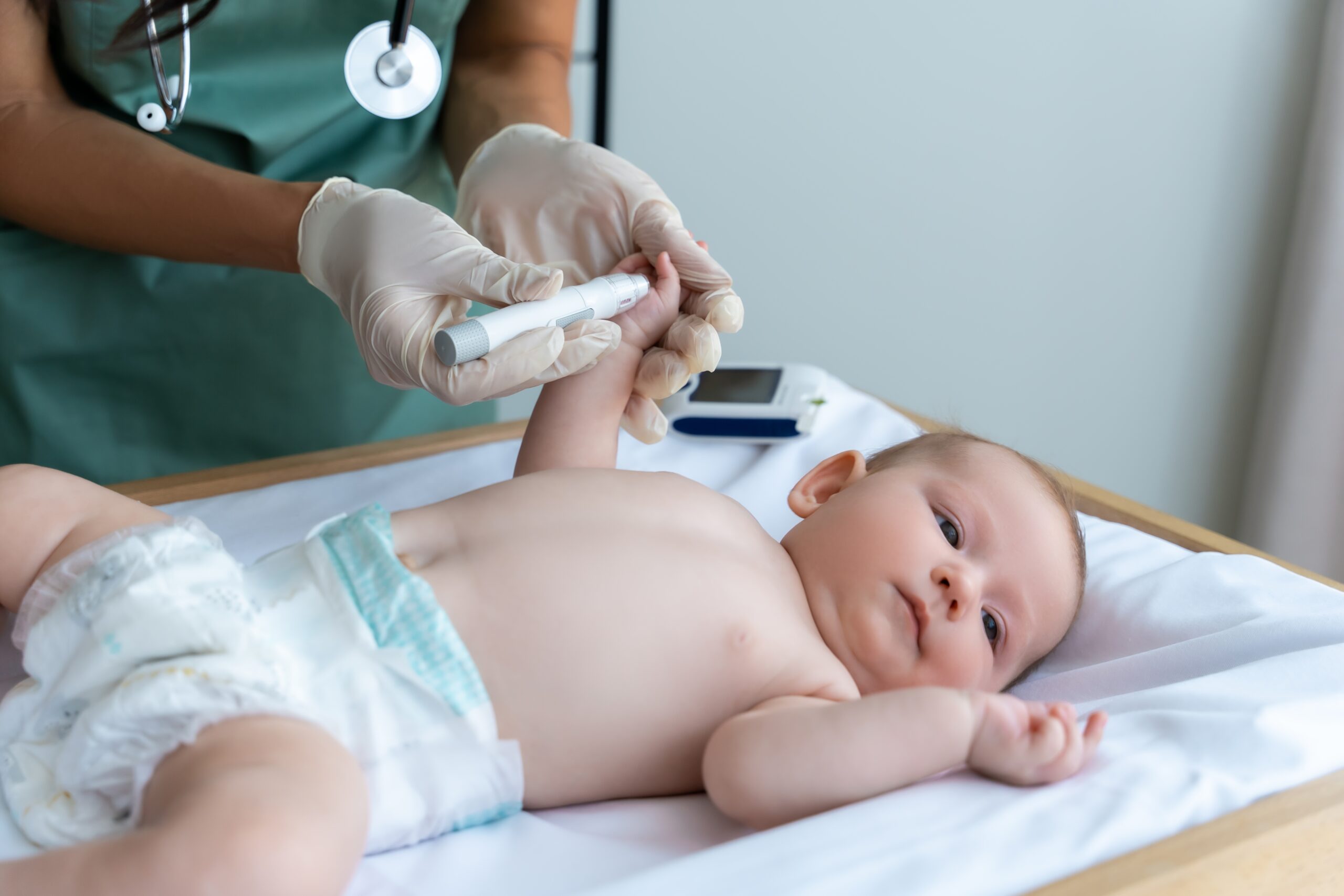
From 23 March 2026, Scotland began offering spinal muscular atrophy, SMA, screening to newborns through the existing newborn blood spot test, usually taken around day four after birth. The programme is being delivered as an 18 to 24 month in-service evaluation to assess feasibility and acceptability in a real NHS setting. The Scottish Government states that the evaluation is funded by the Scottish Government and Novartis, with around three to four babies expected to be born with SMA in Scotland each year.
Why it matters
- Public authorities: Need to test whether newborn screening can be integrated into routine pathways without delays in confirmation, referral or treatment access.
- Clinicians / hospitals: Must ensure that a positive screen triggers fast confirmatory testing, specialist assessment, counselling and treatment decision-making.
- Patients / advocates: Can use Scotland’s evaluation to push for earlier SMA detection and reduce the risk that babies are diagnosed only after irreversible motor neuron damage has occurred.
Before newborn screening, SMA was often detected only after symptoms appeared, when motor neuron damage may already have occurred. That created a painful gap between the availability of disease-modifying treatments and the timing of diagnosis.
What has changed is the entry point. SMA screening is now offered through Scotland’s existing newborn blood spot pathway, with blood usually taken around day four after birth. NHS Scotland guidance states that all babies who have a newborn bloodspot test taken on or after 23 March 2026 should be offered SMA screening in addition to the existing conditions included in the programme.
The eligible population is all newborns in Scotland whose parents accept newborn blood spot screening. This is important because SMA is rare, but the consequence of delay can be severe. The Scottish Government describes SMA as a rare genetic condition that can cause progressive muscle weakness and says earlier detection can allow babies to receive treatment as soon as possible.
The implementation issue is speed. A positive screen only matters if confirmatory testing, specialist referral, treatment decision-making and family counselling happen fast. For IPM, this is a strong example of pathway readiness: in rare neurogenetic disease, diagnosis and treatment access must be designed as one connected system.
