IPM Take
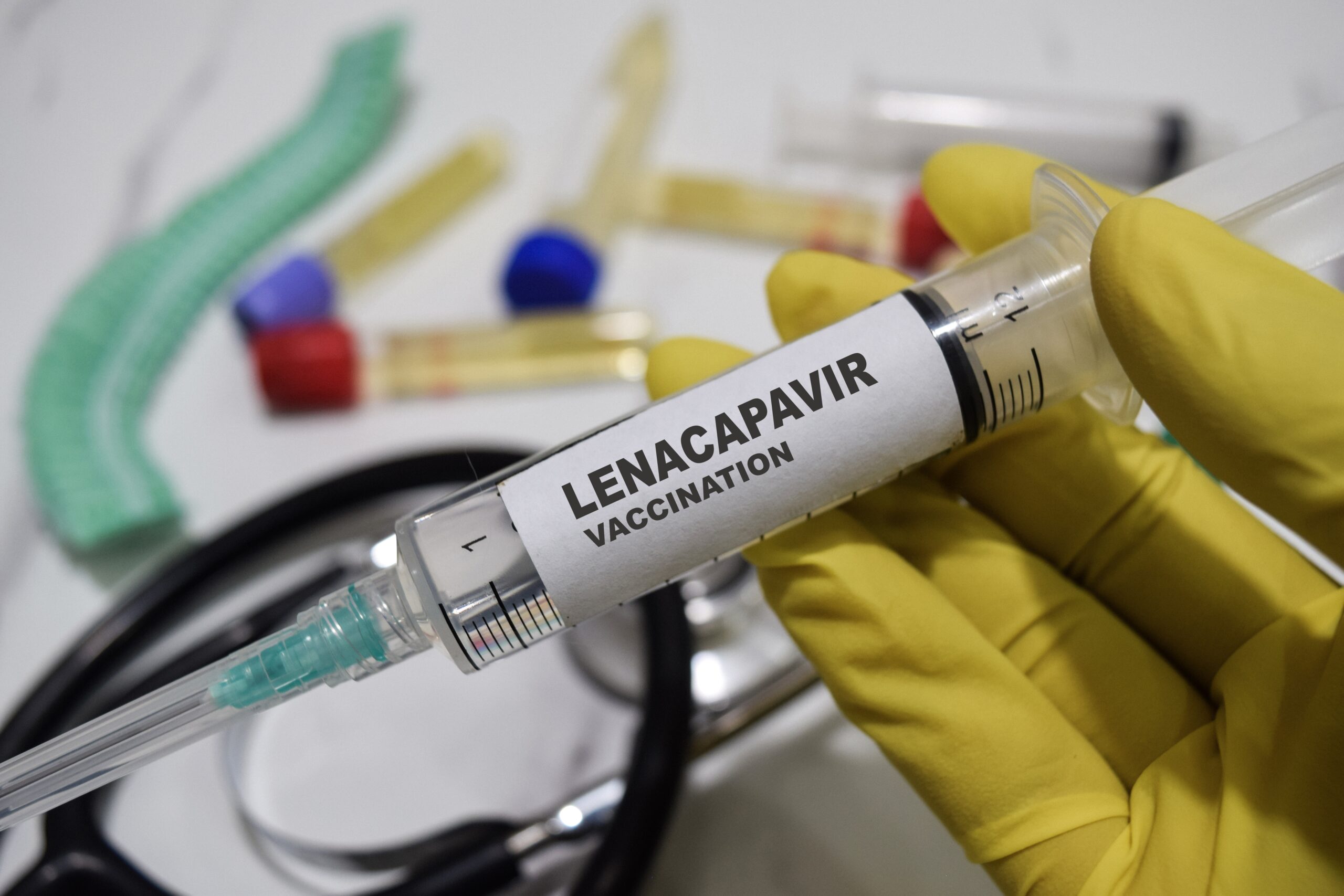
The sharp signal is that HIV prevention now has a tool that could overcome some of the real-world barriers that daily oral PrEP never fully solved: stigma, adherence, discretion and repeated pharmacy access. But a six-monthly injection only changes the epidemic if supply, eligibility and delivery are designed around the people most at risk. Lenacapavir is therefore not just a biomedical breakthrough. It is a test of whether global health can move faster this time, without repeating the long delays that previously kept lifesaving HIV tools away from low and middle income countries.
Executive Summary
On 14 April 2026, the Global Fund and the United States announced an expanded commitment to scale access to long-acting lenacapavir for HIV pre-exposure prophylaxis, aiming to reach an additional 1 million people over three years and bringing the total joint ambition to 3 million people through 2028. Rollout was already underway in nine African countries, with support extended to 12 more countries including Benin, Botswana, the Dominican Republic, Fiji, Georgia, Haiti, Honduras, Indonesia, Morocco, Papua New Guinea, Rwanda and Thailand. Early programme data indicated strong uptake among priority populations, including pregnant and breastfeeding women, adolescent girls and young women, and people accessing PrEP for the first time.
Why it matters
- Public authorities: Need to define priority populations, delivery sites, injection schedules and follow-up systems before wider rollout.
- Patients / advocates: Should track whether access reaches people facing stigma, adherence barriers and limited access to daily oral PrEP.
- Payers / funders: Must prepare for supply constraints, financing sustainability, generic access and long-term integration into national HIV prevention programmes.
Before lenacapavir, HIV prevention relied heavily on daily oral PrEP, condoms and other prevention tools. These remain important, but daily prevention is difficult for many people because of stigma, adherence, privacy concerns and inconsistent access.
What has changed is the arrival of a twice-yearly injectable prevention option with strong clinical trial results and a rapid access push for lower income settings. The Global Fund describes early deliveries to Eswatini, Kenya, Lesotho, Mozambique, Nigeria, South Africa, Uganda, Zambia and Zimbabwe, with several rollouts already started. Support is now being extended to 12 additional countries across Africa, Asia-Pacific, Latin America and the Caribbean, and the Middle East and North Africa.
The implementation question is no longer only whether the product works. It is who receives the first limited supply, how countries prioritise high-risk populations, how clinics deliver injections every six months, and how generic supply is accelerated. Reuters independently reported the expanded commitment and the goal of reaching 3 million people by 2028, reinforcing that this is now a major global access test rather than a small pilot.
For IPM, lenacapavir is precision public health: the right prevention tool, delivered to people whose risk and access barriers make daily PrEP insufficient. The challenge is to make that precision equitable, not only biologically effective.
