IPM Take
This is not a side story about advertising. It is about how countries manage public information when a chronic disease suddenly becomes a high-value medicines market. Obesity needs better public understanding, but awareness campaigns can also create demand for prescription-only drugs. India’s dispute shows that access policy must include communication rules: who can educate the public, under what safeguards, and how to avoid turning disease awareness into disguised market expansion.
Executive Summary
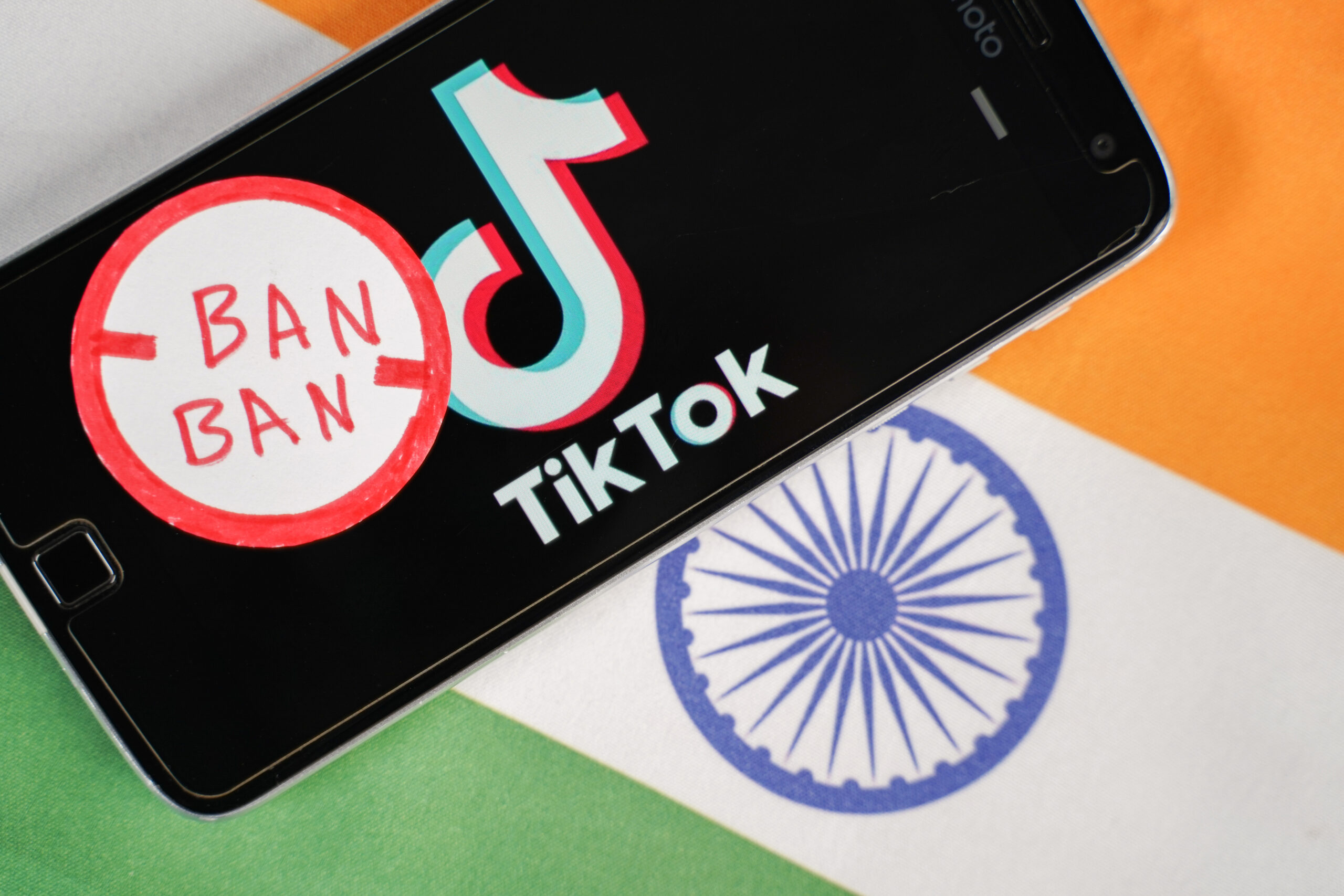
India’s CDSCO issued a March 2026 advisory warning manufacturers, importers and marketing authorisation holders against direct, indirect or surrogate promotion of GLP-1 receptor agonists and similar prescription medicines for obesity and metabolic disorders. The advisory states that awareness campaigns, influencer engagement, digital outreach or corporate communications may be treated as surrogate advertising if they create brand recall or product visibility for prescription medicines. Reuters later reported that Eli Lilly paused its “We Know Now” obesity awareness campaign in India after regulatory scrutiny, while seeking clearer rules on the boundary between non-branded disease education and indirect promotion.
Why it matters
- Regulators: Need clearer rules for disease awareness campaigns in prescription-only medicine markets, especially where public education and commercial demand can overlap.
- Industry / innovation partners: Must design obesity education carefully, avoiding product recall, exaggerated benefit claims, influencer-driven demand or messaging that downplays lifestyle and clinical supervision.
- Patients / advocates: Need trusted, balanced information on obesity as a chronic condition without being pushed toward prescription treatment through indirect promotion.
Previously, obesity awareness campaigns were often treated as public-health messaging: reduce stigma, encourage care-seeking and explain obesity as a chronic disease. The arrival of high-value GLP-1 medicines changes the regulatory context.
What changed in India is that CDSCO has drawn a sharper line around promotion. The advisory warns that disease awareness campaigns, digital media outreach, influencer engagement and corporate communications can become surrogate advertising if they indirectly promote prescription-only obesity medicines or create brand recall. It also warns against messaging that exaggerates efficacy, guarantees weight-loss outcomes, downplays lifestyle interventions or induces unnecessary demand for drug therapy.
The Lilly case makes the issue concrete. Reuters reported that the company paused its “We Know Now” campaign after the regulator raised concerns, although the campaign did not name Mounjaro and Lilly argued that it was non-branded, physician-led public health messaging. That distinction matters: the campaign may be designed as disease education, but regulators may still judge it by its timing, corporate branding, influencer use and potential to create demand for a prescription product.
The affected population is broad: people living with obesity, clinicians, regulators, companies and public-health actors in a rapidly expanding obesity medicine market. For IPM, the lesson is clear. Personalised metabolic care needs informed patients, but it also needs trusted information rules. Without that, awareness can become a battleground between public health, commercial strategy and patient demand.
