IPM Take
The sharp signal is that AI screening is being used not just as a diagnostic shortcut, but as public-health infrastructure. MadhuNetrAI does two things at once: it helps detect diabetic retinopathy closer to communities, and it generates real-time data on disease prevalence and geography. That combination matters because preventable blindness is often a failure of pathway design, not only clinical technology. Screening must connect to referral, treatment and diabetes management.
Executive Summary
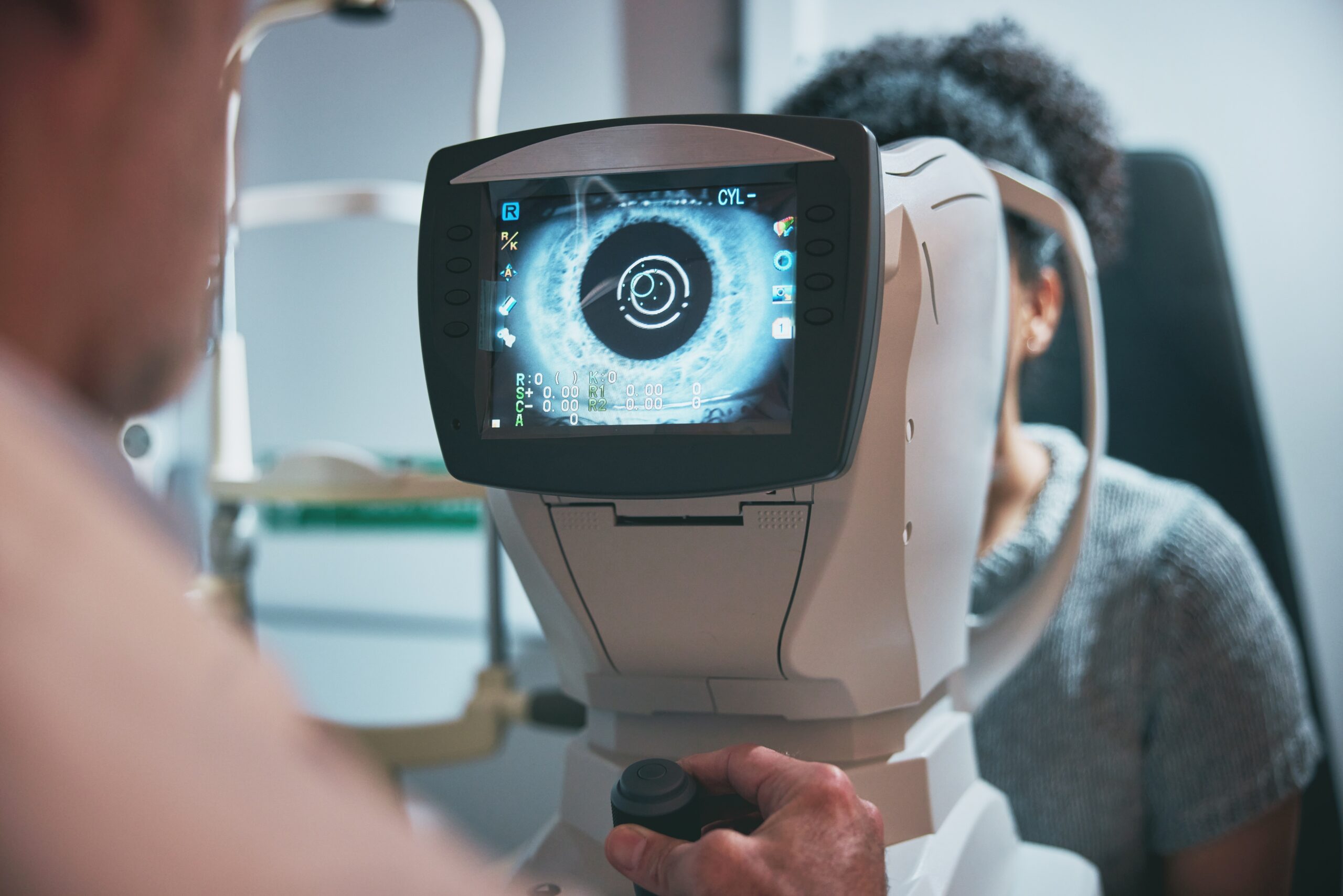
On 16 December 2025, India’s Armed Forces Medical Services launched an AI-driven community screening programme for diabetic retinopathy in collaboration with the Dr Rajendra Prasad Centre for Ophthalmic Sciences at AIIMS and the eHealth AI Unit of the Ministry of Health and Family Welfare. The programme uses MadhuNetrAI, a web-based AI tool developed by the Dr Rajendra Prasad Centre, to screen, grade and triage retinal images captured by handheld fundus cameras. The pilot covers seven diverse locations, including metropolitan, rural, hilly, coastal and remote regions, and aims to support early detection, referral and real-time health intelligence.
Why it matters
- Public authorities: Can use AI screening not only to identify disease, but also to map prevalence and plan services.
- Clinicians / hospitals: Need clear referral routes so detected diabetic retinopathy leads to diabetes management, ophthalmology care and specialist review when needed.
- Patients / advocates: Should watch whether community screening improves access for people who may not reach eye specialists before vision is threatened.
Previously, diabetic retinopathy screening often depended on access to eye specialists or hospital-based services. That model misses patients who do not reach ophthalmology before vision is threatened.
What has changed is the use of trained staff, handheld fundus cameras and AI-supported grading in community settings. MadhuNetrAI enables automated screening, grading and triage of retinal images, allowing trained medical officers, nursing staff and healthcare assistants to support screening outside conventional specialist settings.
The affected population is people with diabetes who need screening for diabetic retinopathy, especially in settings where specialist access is limited. Patients identified with diabetic retinopathy are referred for diabetic management, while vision-threatening cases are referred to designated vitreo-retina specialists.
For IPM, this is the implementation lesson: AI in eye care becomes meaningful only when it is embedded in a referral pathway. Detection without follow-up is not access.
